

The people of Wiesbaden affectionately call it the “sugar cube”: The gleaming white museum building at Wilhelmstraße 1, clad in shimmering Bethel White granite from Vermont, is the final work of Japanese Pritzker Prize laureate Fumihiko Maki, who passed away just a few days before its opening in June 2024. Inside the Reinhard Ernst Museum (mre) hangs what thrills collectors worldwide: one of the most significant private collections of abstract art, featuring over 960 works, including pieces by Helen Frankenthaler, Frank Stella, Pierre Soulages, K.O. Götz, and Katharina Grosse.
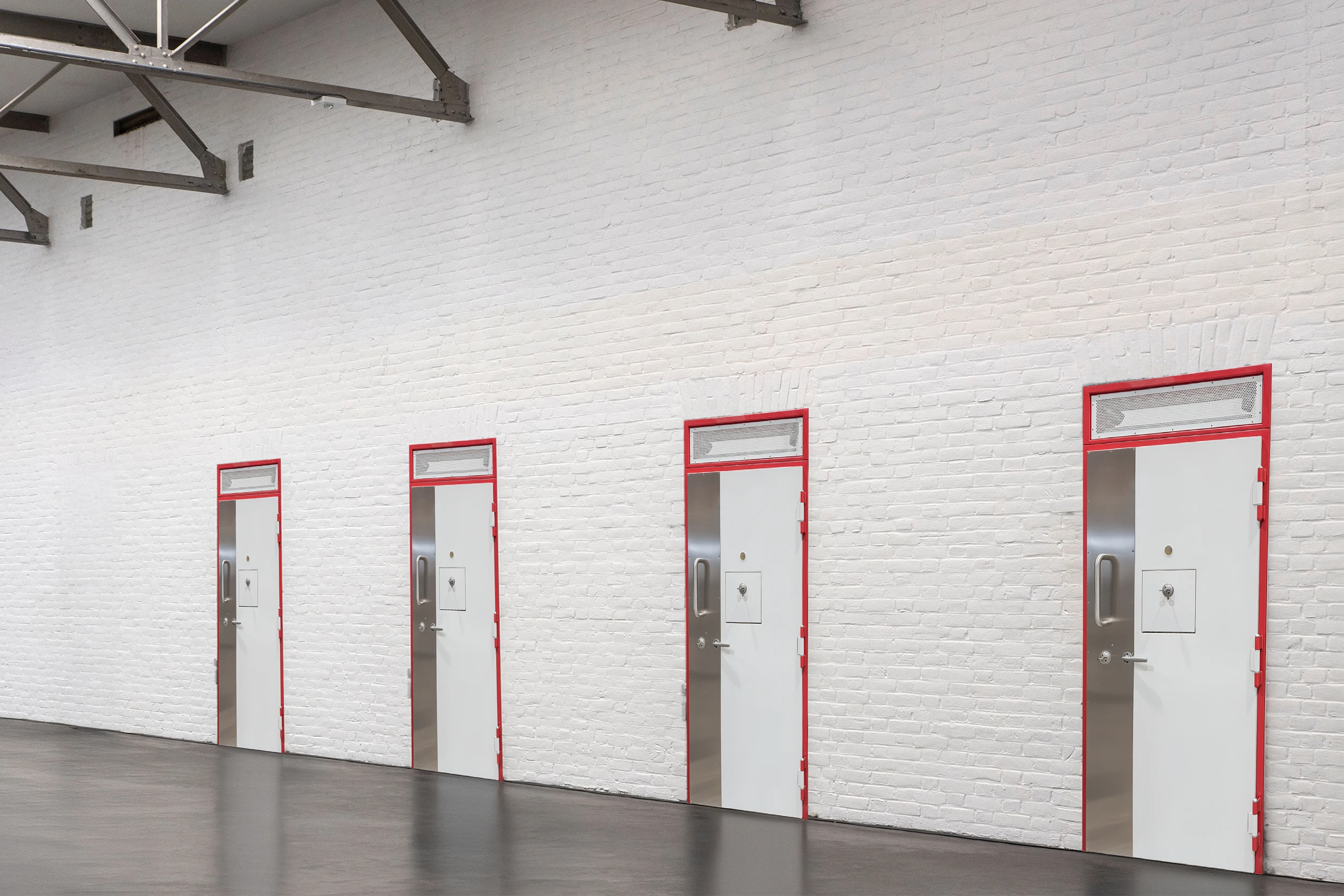
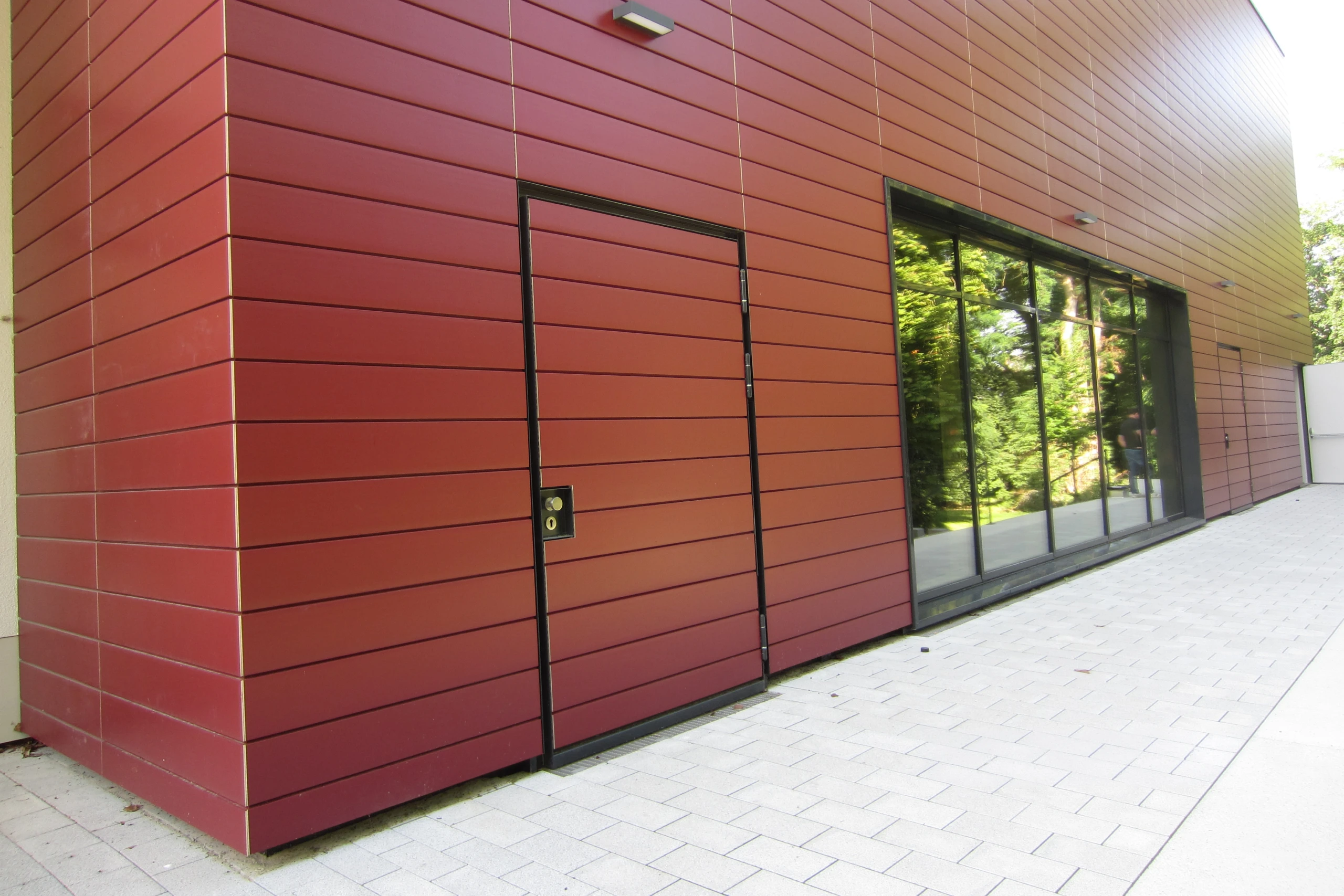
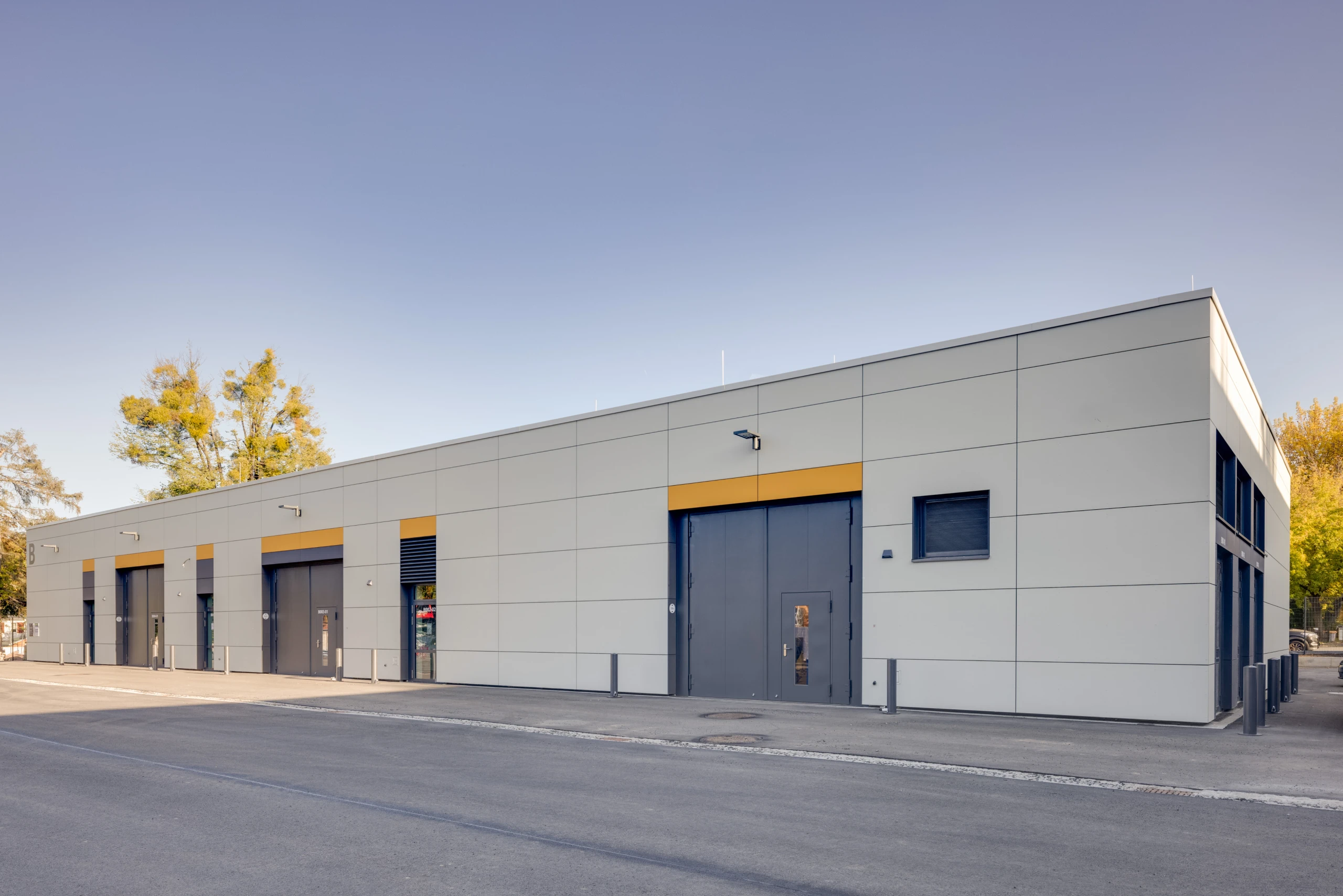
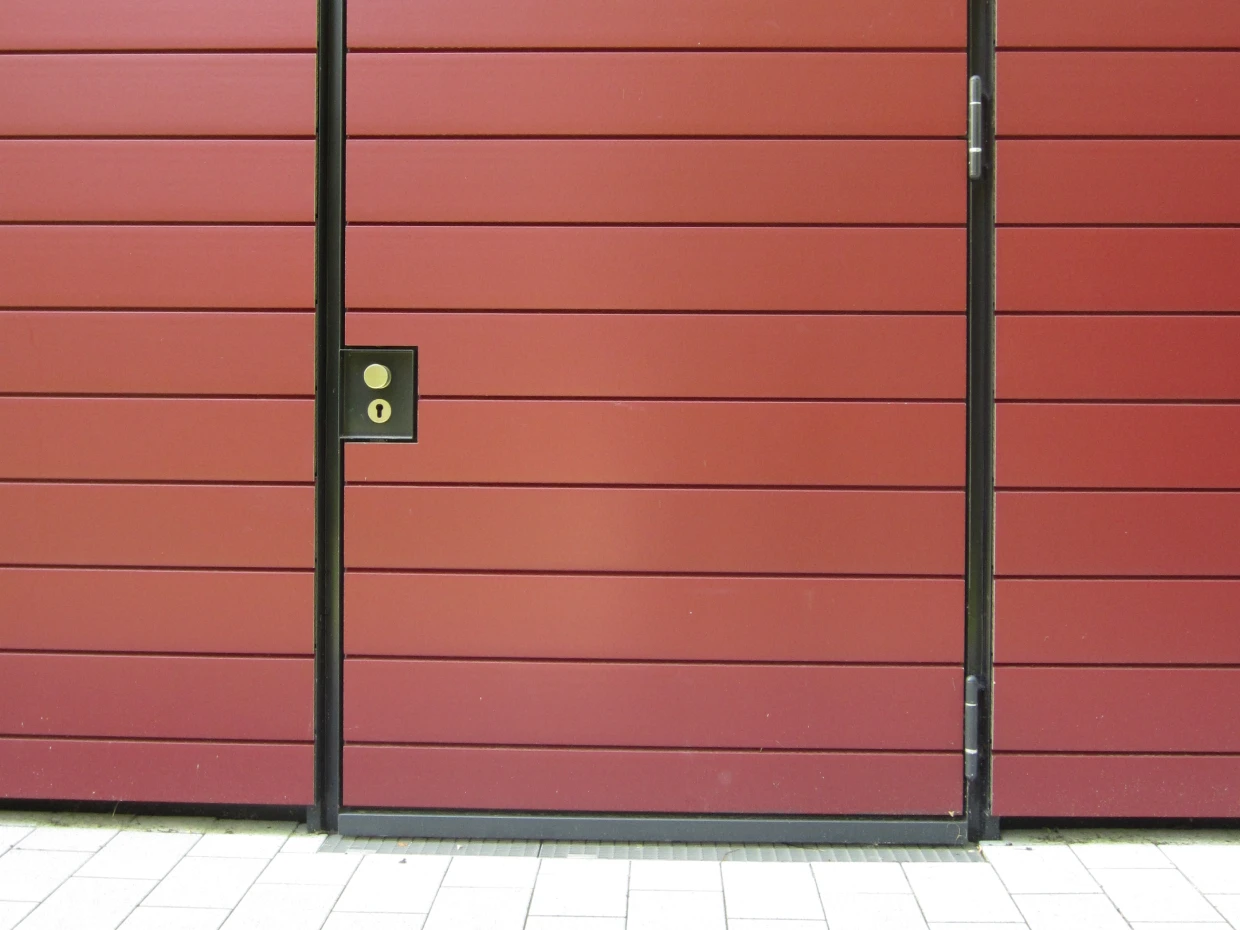
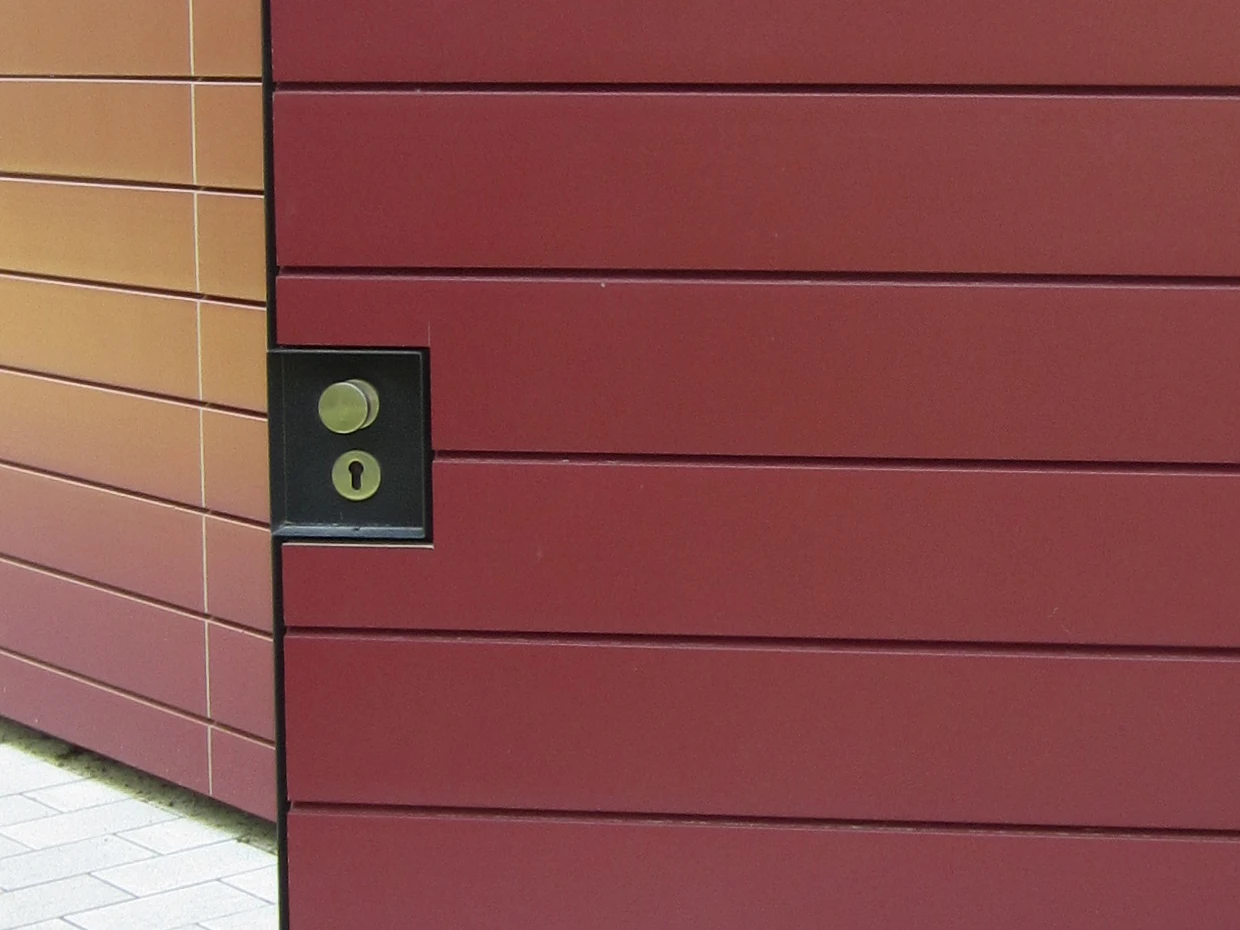
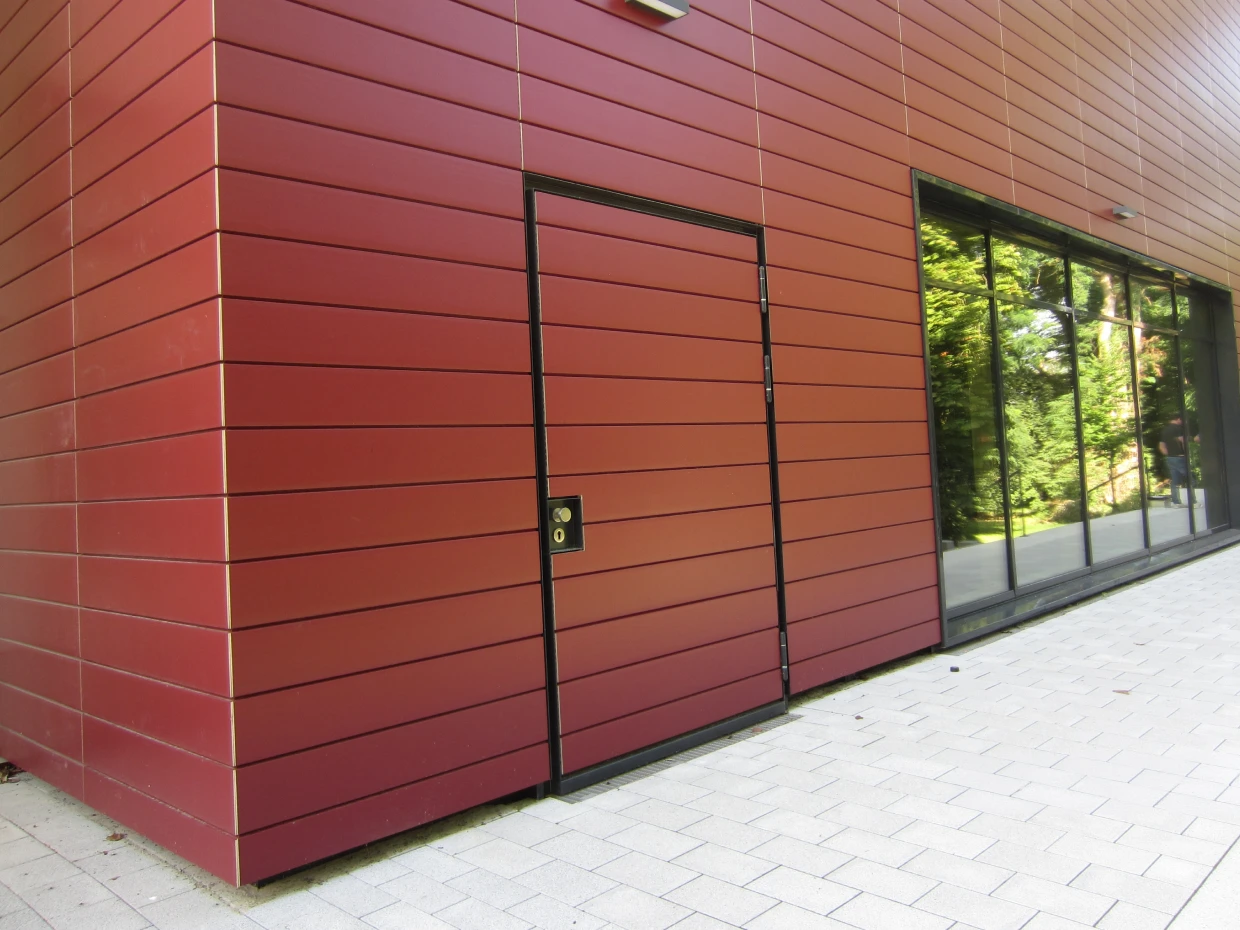
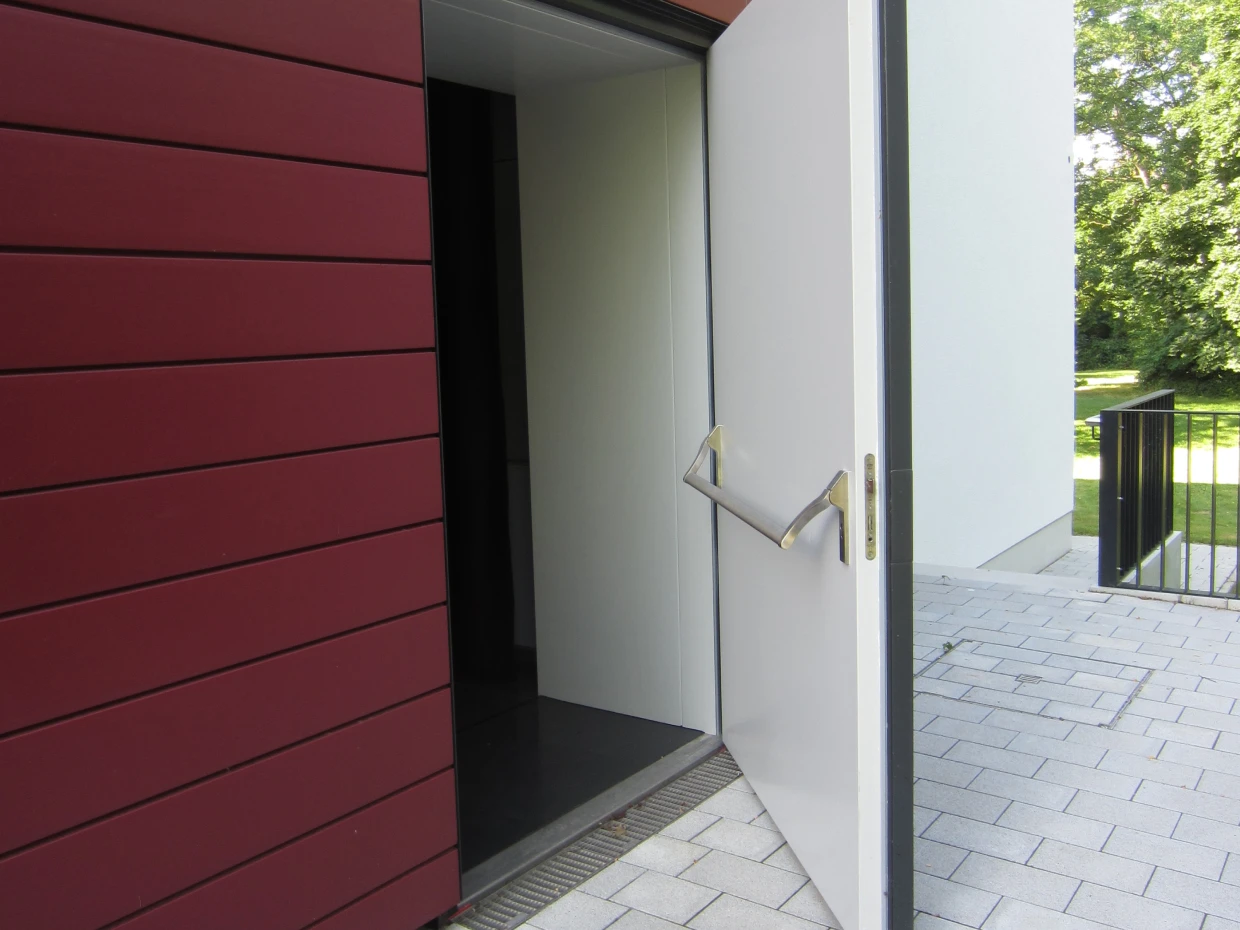
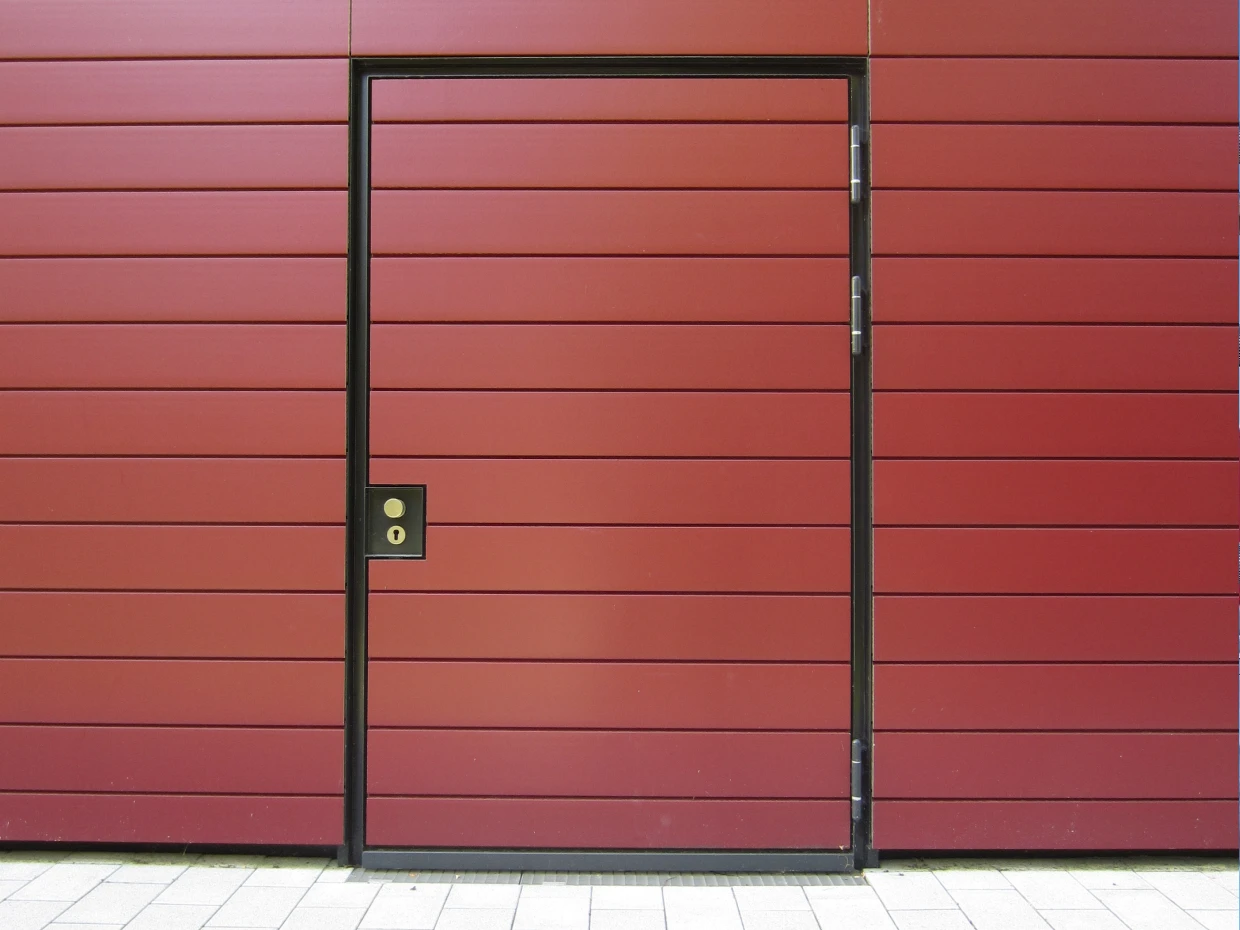
For a museum, fire is the ultimate disaster scenario, because unlike buildings, works of art cannot be rebuilt. BUCHELE equipped the mre with fire-rated doors that, in the event of an emergency, prevent the spread of fire and smoke between different areas of the building. They buy the fire department valuable time and limit potential damage to individual sections—a key component of any museum emergency plan.
The second risk is unauthorized access. BUCHELE’s burglar-resistant doors protect sensitive areas of the home against break-in attempts and form the structural foundation of property security, upon which electronic security systems can only be effectively built. After all, even the best alarm system is of little use if the door can be forced open in seconds.
Because that’s the intention. Maki’s architecture thrives on clarity, light, and minimalism; security technology is allowed to function here, but it must not dominate. BUCHELE elements blend discreetly into the architectural language and fulfill their protective function without disrupting the spatial experience. This combination of certified protection and design quality is why museums and cultural institutions consistently choose doors from Ebersbach. The best way to protect what is irreplaceable is to do so invisibly.